
How to Price Your Secondhand Listings for Maximum Profit
Let me start with a story, because it illustrates the point better than any theory could.
I found a complete Harry Potter audiobook set in a charity shop. Every book, all the CDs, everything present and accounted for. I paid £10 for it. I already knew roughly what it was worth before I handed over the money, because I'd done my research beforehand — which is the habit I'm going to talk about in a moment. I listed it that evening and it sold for £110 before I'd gone to bed.
And my first thought wasn't satisfaction. It was: I should have listed it for more.
That is the thing about pricing. When something sells within twenty-four hours of being listed, the likelihood is that you underpriced it. It doesn't mean the transaction was a failure — a hundred pounds profit on a ten pound spend is a very good result by any measure. But it's a useful signal about where the price ceiling actually was, and next time I find something similar, I'll remember it.
So how do you find the right price in the first place? The answer is research, and the tool that makes it straightforward is the sold listings filter on the eBay app.
Before you spend a penny on something you're thinking of buying, search for that item on eBay and filter the results by sold listings. This is the critical distinction: you are not looking at what sellers are asking for similar items. Anyone can type any number into a listing. What you want to see is what buyers have actually paid. Those are two completely different figures, and only one of them tells you what the market is actually doing.
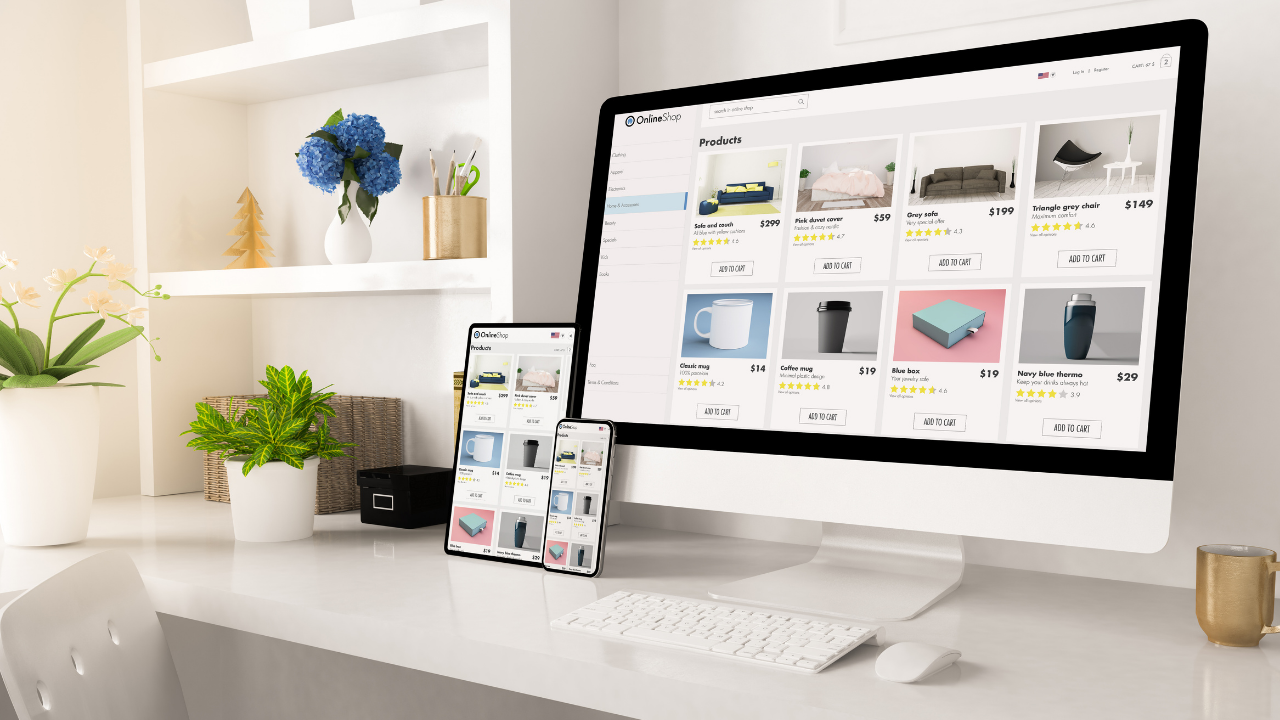
What you're looking for is consistent sold data within a reasonable time frame. If you can see ten or fifteen sales in the past few months at a similar price point, you have a healthy, active market and you know what to aim for. If the only result is a single sale from five years ago at £30, with nothing since, that market has effectively gone. One stale completed listing is not a market, no matter how tempting the item looks.
This is also where people get caught out by assuming that popular equals profitable. Disney is the example I always come back to. Everyone knows Disney, everyone has some connection to it, and charity shops are often full of Disney merchandise priced as though it's worthless. But the Disney category on eBay is so saturated with sellers that prices are pushed down and stock can sit for a very long time. Being in a popular category is not the same as being in a profitable one. Check the sold data. Every time, for every item, before you buy it.
Seasonality is another lever that experienced resellers use to their advantage and beginners often miss entirely. A Christmas jumper listed in July will sit there gathering virtual dust. The same jumper listed in late October, when people are starting to think about work parties and festive events, will sell faster and very possibly for more — not because the jumper changed, but because the timing did. I try to think ahead by four to six weeks when I'm deciding what to list and when. January and February are genuinely slower months for most categories. People have spent a lot over Christmas and they're cautious in the new year. Those months are often better spent building your stock and sourcing rather than expecting strong sales volume.
Price fairly. I want to say this plainly because I think it matters, both ethically and practically. When something becomes scarce or hard to find, there will always be sellers who will list it at five times the reasonable price because they can. I am not one of those sellers. When an item is in high demand and short supply, that's not an invitation to extract as much as possible from someone who needs it — it's just someone's misfortune, and profiting heavily from it is not something I'm interested in. Beyond the ethics of it, I don't think it serves you well as a seller in the long run. Buyers remember a fair seller. Feedback, repeat visits, and reputation are worth more than squeezing a single transaction.
One practical note on starting price: don't be afraid to pitch slightly above where you think the item will sell. You can always reduce a price. Coming down costs you nothing and can reactivate interest from buyers who were watching. Going up after you've listed is not really an option without relisting entirely. Start a touch high, see what happens in the first week, and adjust from there if you need to.
And if something sells within a day? Make a note. That item was priced below what the market would have paid. Not a disaster, but useful data for next time you're holding something similar in a charity shop wondering what to do with it.
Pricing well is a skill, but it's not an especially mysterious one. It's mostly just doing your homework before you buy, being honest about what the data is actually showing you, and not letting hope override evidence. The sold listings feature exists specifically to take the guesswork out of it. Use it every time and you'll be ahead of a significant number of sellers who are still just guessing.